Michigan Under Siege: Six Tornadoes Confirmed, Leaving Devastation Across Wayne, Ingham, and Beyond
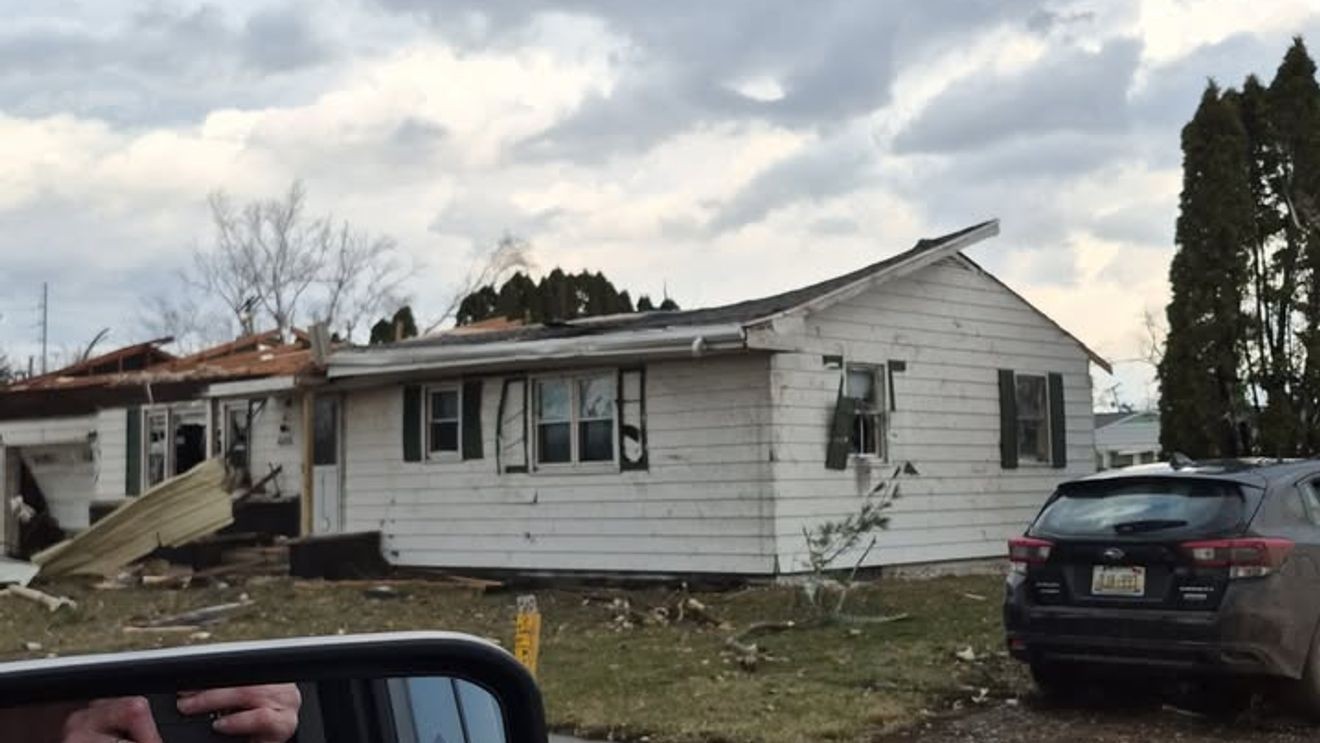
Michigan has been grappling with the severe aftermath of a powerful storm system that swept across the state, unleashing a barrage of tornadoes, torrential rain, and destructive winds. What started as an evening of dramatic lightning displays quickly escalated into a catastrophic event, with officials confirming a total of six tornadoes touching down. This significant weather phenomenon, characterized by both EF-1 and EF-0 strength tornadoes, primarily impacted Wayne, Ingham, and Monroe counties, leaving behind a trail of downed trees, damaged buildings, and widespread power outages. The human toll is equally tragic, with five lives lost as communities struggle to comprehend the extent of the damage. For anyone tracking the severe weather impacting the Great Lakes region, the events of this past week mark a stark reminder of nature's formidable power, turning a quiet evening into a statewide emergency.
A Closer Look at the Confirmed Tornadoes: From EF-0 to EF-1
The National Weather Service (NWS) has meticulously surveyed the damage, confirming the precise nature and locations of the tornadoes that impacted Michigan. These aren't isolated incidents but rather a clustered event, showcasing the raw power of the storm system. Understanding the scale of these tornadoes helps to contextualize the destruction:
- EF-1 Tornado in Ingham & Livingston Counties: One significant EF-1 tornado, packing winds of 90 mph (145 kph), carved a path from Ingham County into the western fringes of adjacent Livingston County. The Enhanced Fujita (EF) Scale rates tornadoes based on their damage, with an EF-1 indicating moderate damage capable of tearing roofs, overturning mobile homes, and pushing cars off roads.
- Four Additional EF-1 Tornadoes: Further south, four other EF-1 tornadoes were reported. These included touch-downs in Belleville and Gibraltar within Wayne County, as well as in South Rockwood and near Newport in Monroe County. These multiple, distinct EF-1 events underscore the widespread nature of the severe weather, demonstrating how a single storm system can spawn several destructive vortices simultaneously across a broad area.
- EF-0 Tornado in Canton Township, Wayne County: A slightly weaker, yet still destructive, EF-0 tornado made its presence felt in Canton Township, west of Detroit. With peak winds of 80 mph (128 kph), this tornado was on the ground for less than two miles. While an EF-0 typically causes light damage, its impact was significant for those in its path; meteorologist Sara Schultz noted that this particular tornado was responsible for a tree falling onto a house, highlighting the immediate and personal danger even from lower-category tornadoes.
Beyond these confirmed events, NWS officials from the Grand Rapids office were also conducting damage surveys in Kent County, investigating a suspected tornado in that area. This ongoing assessment indicates that the full scope of the severe weather and the total number of tornado touch-downs might still be evolving, reminding residents across the lower portion of the state to remain vigilant and heed all weather advisories.
The Devastating Human and Infrastructural Toll
The immediate aftermath of the storm system has been nothing short of tragic, with at least five fatalities confirmed across Michigan. The sheer force of the winds and the widespread chaos contributed to these devastating losses. In western Michigan, Kent County experienced a profound tragedy when a 21-year-old woman and two young girls, aged 1 and 3, died in a head-on collision on Thursday night. The crash, involving two vehicles, occurred during heavy rainfall, underscoring the secondary dangers that severe weather can present on roadways. The driver of the car carrying the victims, a 22-year-old man, sustained serious injuries, while the other driver suffered minor injuries.
The state capital, Lansing, also bore witness to the storm's deadly impact. An 84-year-old woman tragically lost her life when a tree fell onto her home on Thursday night. Firefighters bravely extricated her, but she was pronounced dead at a local hospital. In the broader Ingham County, where Lansing is situated, officials reported another confirmed fatality and several severe injuries, with more than 25 vehicles severely damaged along Interstate 96. While it was initially unclear if these wrecks were solely due to the storm or subsequent collisions, the direct correlation to the severe weather event is undeniable. These incidents highlight the brutal impact of the Michigan Storm Aftermath: 5 Dead, Thousands Without Power.
Beyond the fatalities, the infrastructural damage is immense. Hundreds of thousands of customers were left without power, plunging homes and businesses into darkness. Trees were uprooted or snapped, tearing roofs from buildings and bringing down power lines, leaving entire neighborhoods in disarray. The challenges posed by these widespread outages are particularly acute, affecting everything from communication to heating and cooling, forcing communities to rely on generators and community support networks.
Eyewitness Accounts and Community Impact
For those who experienced the storms firsthand, the memories are vivid and terrifying. Muqitu Berry, a resident of the north Detroit suburb of Southfield, recounted his experience on Thursday night. "It sounded like a train coming through," Berry described, as a substantial part of a neighbor's tree trunk came crashing down. The tree landed across his driveway and yard, severing power lines and dropping them onto his property and at least one vehicle. The immediate consequence: Berry and his neighbors were left without power and isolated. "I can’t get out of my driveway. I can’t go anywhere," he stated the following morning, expressing the frustration shared by countless others.
In response to the widespread destruction and disruption, Wayne County Executive Warren Evans swiftly declared a state of emergency for Michigan's largest county, which encompasses Detroit. This declaration cited extensive power outages, flooding, fallen trees and power lines, and debris as primary concerns. Such an emergency declaration mobilizes resources and underscores the severity of the situation, allowing for a more coordinated and robust recovery effort. Residents were urged to exercise extreme caution, particularly regarding downed power lines, which pose a significant electrocution hazard.
The collective impact of this Michigan Tornadoes Confirmed: Deaths, Power Outages & Damage is a stark reminder of the unpredictable nature of severe weather. From the sudden roar of a tornado to the silent creep of floodwaters, Michigan communities are demonstrating their resilience in the face of adversity.
Understanding Tornadoes in Michigan: Preparedness is Key
While often associated with the "Tornado Alley" states of the Great Plains, Michigan is no stranger to tornadoes. The state typically experiences an average of 15 tornadoes per year, predominantly during the warmer months of spring and summer. However, severe weather can strike at any time, as evidenced by the recent late-season activity. The recent series of EF-0 and EF-1 tornadoes serves as a critical reminder for all residents to maintain a high level of preparedness.
What to Do When a Tornado Threatens: Safety Tips
When a tornado warning is issued for your area, immediate action is crucial:
- Seek Shelter Immediately: Go to the lowest level of your building, such as a basement or storm cellar. If an underground shelter isn't available, find an interior room or hallway on the lowest floor and stay away from windows.
- Protect Yourself: Cover your head and neck with your arms. Use a sturdy object like a heavy table or mattress for additional protection.
- Stay Informed: Have multiple ways to receive warnings, such as weather radio, TV, and smartphone apps. Do not rely solely on outdoor sirens, as they are not designed to be heard indoors.
- Mobile Homes and Vehicles: These offer little protection from tornadoes. Seek a designated storm shelter or a sturdy building nearby. If you are in a vehicle and cannot get to a shelter, get out and lie in a ditch or other low-lying area, covering your head with your arms.
- Post-Storm Safety: After the storm passes, be extremely cautious of downed power lines, sharp debris, and weakened structures. Report outages and damage to local authorities.
The Road to Recovery: A Community Effort
As the immediate danger subsides, Michigan communities face the daunting task of recovery. Wayne County's state of emergency declaration is just the beginning. Utility crews are working tirelessly to restore power to the hundreds of thousands of affected customers, a process that can take days, if not longer, given the extensive damage to infrastructure. Arborists and public works departments are engaged in clearing countless fallen trees and debris from roads and properties. This collective effort requires patience, cooperation, and community spirit.
Residents are encouraged to check on elderly neighbors and those who may be vulnerable, offering assistance where possible. Voluntarily reporting damage to local authorities helps in assessing the overall impact and channeling resources effectively. It's also a time for introspection on preparedness; reviewing home emergency kits, ensuring communication plans are in place, and understanding local evacuation routes can make a significant difference in future events.
Looking Ahead: Preparedness and Resilience
The recent Tornado Michigan Today events serve as a potent reminder that severe weather can strike with little warning and immense power. While the immediate focus remains on recovery and supporting affected families, this is also an opportunity for all Michigan residents to re-evaluate their emergency preparedness. Having an up-to-date emergency kit, a family communication plan, and knowledge of local shelter options can be life-saving. As the state collectively begins the arduous journey of healing and rebuilding, the spirit of Michigan's communities shines through, demonstrating resilience in the face of nature's fury and a commitment to looking out for one another.